Finding the right opportunity
not just the right interface
Teaching the Product to Teach Itself
2026
Designed, built and launched a no-code product using Framer and AI-assisted workflows to validate an idea rapidly and learn from users before investment. Explored product-led onboarding by teaching users how to customise the experience from within the experience itself.
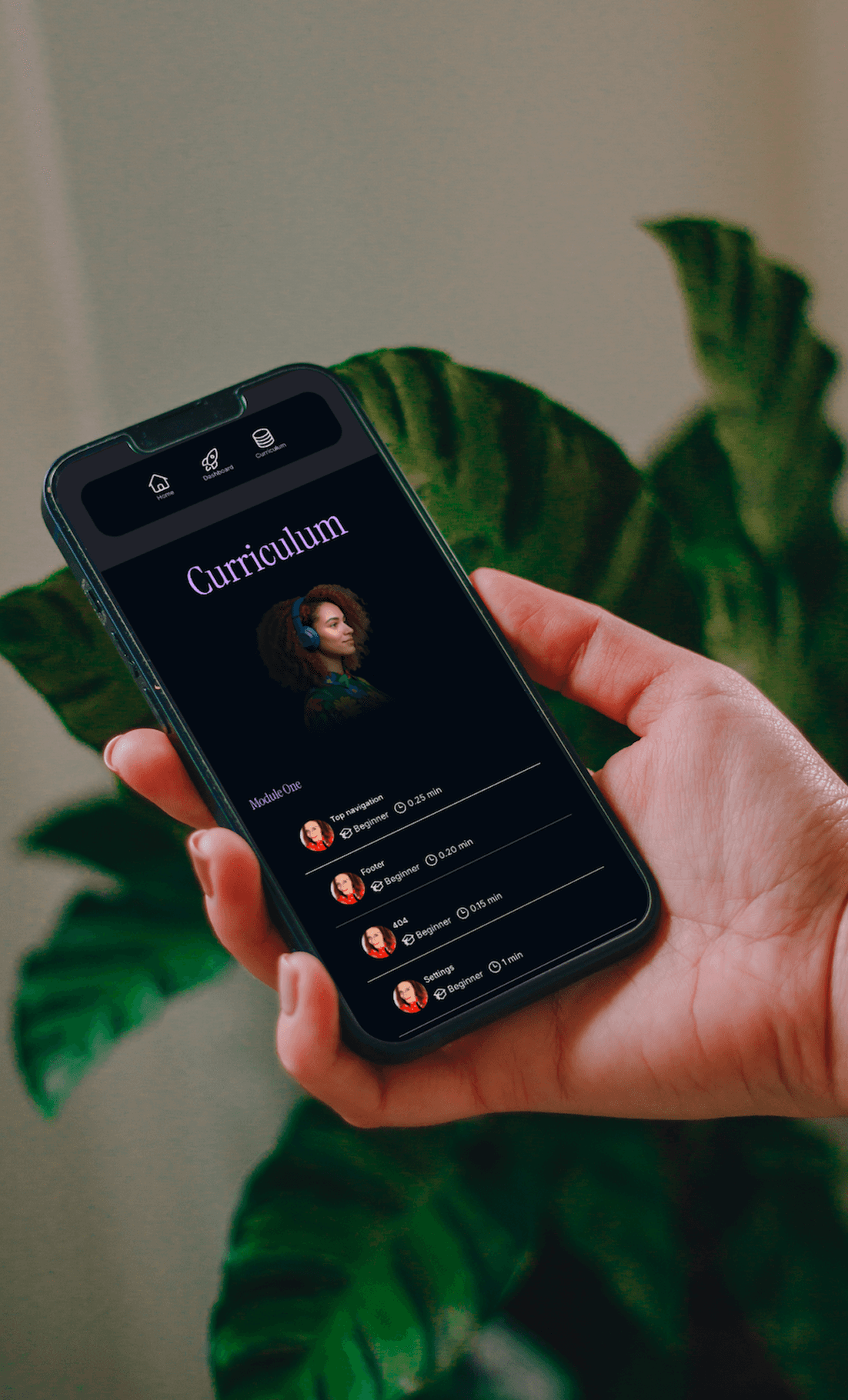
I designed and built Learnoverse to explore product-led onboarding, and AI-assisted workflows in a modern no-code ecosystem. The key decision was treating onboarding as part of the product experience, allowing users to learn by doing rather than through documentation.
Product Snapshot
Scale
Designed and built an end-to-end course platform in Framer
Spanning marketing site, learner dashboard, CMS and onboarding experience
Created as both a commercial template and a personal learning platform
Complexity
Combined product design, visual design, interaction design and no-code development
Designed onboarding that lives inside the product rather than alongside it
Balanced usability, flexibility and conversion across the entire experience
Impact
Demonstrated hands-on capability in a modern product development workflow
Reduced onboarding friction by teaching users through the product itself
Showcased end-to-end product thinking from concept through implementation
Context
I wanted a course platform of my own and an excuse to learn Framer properly. Building both at once turned the project into an experiment in product onboarding and self-serve learning.
Why no-code?
I chose a no-code approach to move from idea to a working product quickly, enabling rapid iteration and user feedback without the overhead of traditional development.
Rather than treating no-code as a shortcut, I used it as a strategic product decision. It allowed me to validate ideas, iterate rapidly and focus on learning from users before investing in engineering effort.
The Problem
Most course templates teach users through documentation or setup videos that sit outside the product itself. That creates friction exactly when motivation is highest: the moment someone first opens the product.
Building the product
Product life-cycle
As a solo founder and designer, I owned the entire product lifecycle, from acquisition and activation through retention and expansion.
Using AI
I designed, built and shipped the product independently using a no-code workflow, combining product strategy, interaction design, content design, AI-assisted creation and implementation. This afforded me more time to focus on product decisions, interaction design and user experience.
Connecting onboarding
Content could evolve independently of the interface, onboarding happened inside the product instead of alongside it, and pricing and conversion flows were treated as product experiences rather than marketing exercises.
The result was a product designed not just to teach content, but to teach itself.
The Real Challenge
The tools designers use are changing rapidly, but good product thinking remains the same. Building in Framer wasn't simply about learning a new tool. It was about understanding how modern product teams can reduce the gap between strategy, design and delivery to ship high-quality products faster.
It's about understanding how strategy, user experience, implementation, and iteration come together to deliver products quickly without compromising quality. The most interesting decision wasn't visual design. It was treating onboarding as part of the product rather than a prerequisite to it.
Key Decision
Use no-code to maximise learning rather than minimise effort.
Instead of spending weeks building infrastructure, I prioritised testing the product experience, onboarding and learning journey. This accelerated iteration while keeping the focus on user value.
Teach through the product itself.
Rather than creating a separate onboarding guide or documentation, I embedded the learning experience inside the product. Users customise the platform by using it, reducing friction while demonstrating the value of the product from the very first interaction.
Trade-off
Embed onboarding within the product rather than creating separate documentation.
Early Traction
• 0-1 course platform launched within 3 months
• Inbuilt CMS with editable fields, collections and templates
• Series of bite-sized onboarding videos
What this reinforced
Even small products benefit from systems thinking. The lesson wasn't how to use Framer. It was that onboarding, documentation, and product experience don't need to be separate systems.
This demonstrated how modern product teams can move from concept to working product in days rather than months by combining product thinking, no-code tooling and AI-assisted workflows.
Results
Onboarding
Series of bite-sized videos
0-1 in < 3 months
Launched and submitted to Framer